

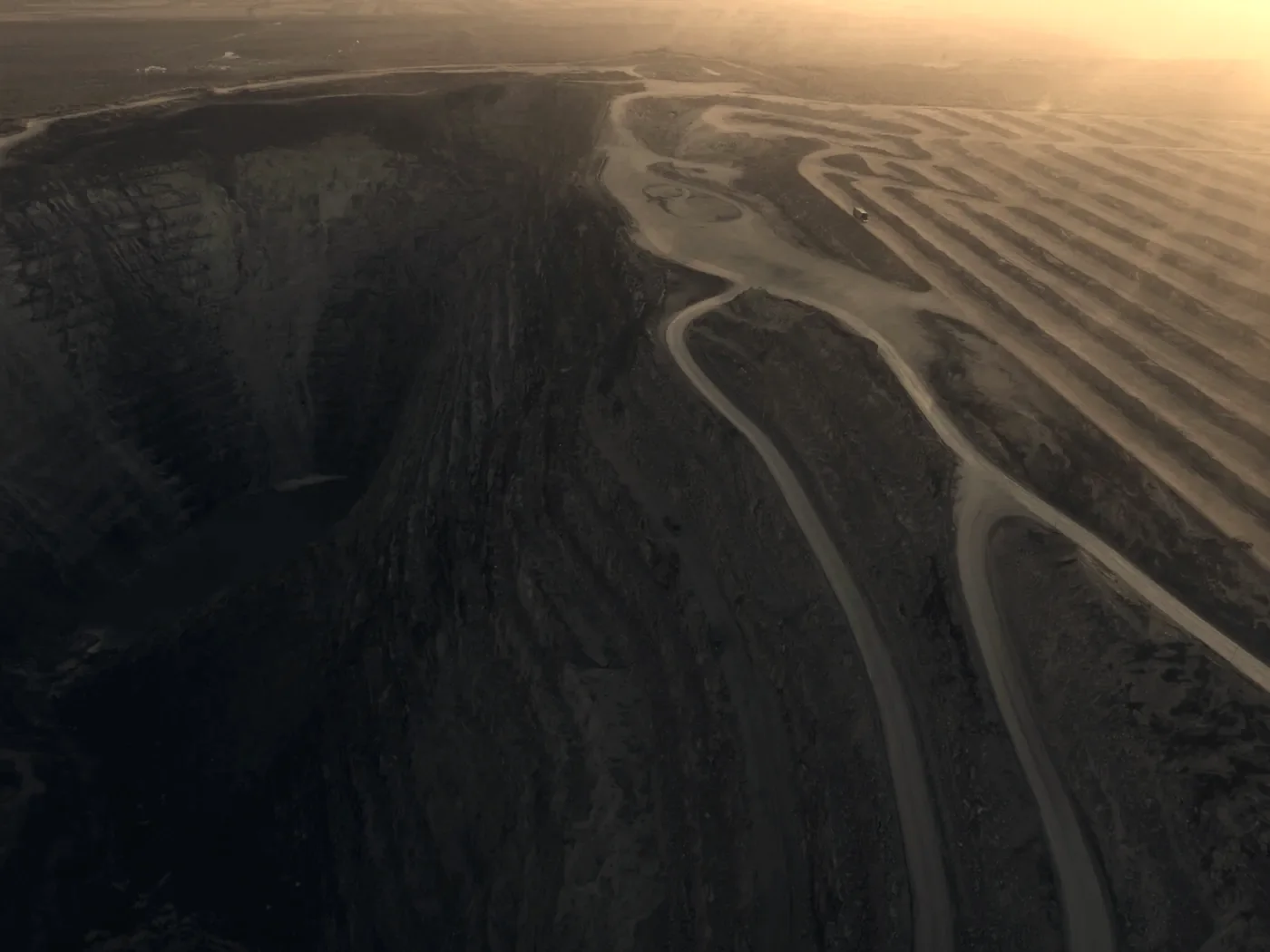
Practice 02 / Industrial and minerals
Leaders for companies that make and move real things.
Plants, mines, processors and the supply chains between them. The energy transition is changing who these companies need to hire.
Steward Well's industrial and minerals practice finds operating, finance and technical leaders for manufacturers, mining companies and critical minerals businesses from $50M to $500M in revenue. A partner runs each search, with a calibrated shortlist in 21 days and a written 12-month guarantee.
Which leaders does the minerals practice search for?
We search for the people who run the operation and the people who fund it:
- Mining executives, from site leaders to the CEO seat
- Critical minerals executives for lithium, copper, graphite and rare earth businesses
- VP Operations and manufacturing leaders who run plants
- Supply chain executives who keep inputs moving
- CFOs and controllers for industrial companies, through our finance practice
Why is the energy transition changing industrial hiring?
Demand for copper, lithium, nickel, cobalt, graphite and rare earths sits at the center of the energy transition. The International Energy Agency tracks that demand in its yearly critical minerals outlook. The U.S. Geological Survey's 2026 summaries cover over 90 minerals and materials.
More money is chasing these projects. Sponsors, strategic buyers and the government all want supply closer to home. That pulls the same small group of proven operators in many directions at once.
The result is simple. The best plant and project leaders already have good jobs. They don't answer job posts. Someone has to find them, earn the call and make a real case.
What makes an industrial executive search hard?
- Location. Many sites are far from a major city, and families have a say.
- Safety records. A leader's safety history matters as much as their output numbers.
- Technical depth. A metallurgist and a plant manager aren't the same hire, even with the same title.
- Capital projects. Building a new line or a new mine is a different skill from running one.
We map the market for your seat from scratch. That includes people in adjacent sectors, like chemicals or heavy manufacturing, who have solved your exact problem before.
What do industrial leaders earn?
The BLS puts the 2025 median pay for industrial production managers at $126,060 a year. Senior operating leaders at a $50M to $500M company earn well above that, often with a bonus tied to output, safety and cost targets. We help you set a number the market will accept before the search starts.
How does a Steward Well search run?
- Discovery. A partner meets the owner, the board or sponsor, and the team the leader will inherit.
- A written success profile. What this person must have done by month twelve, agreed before we call anyone.
- An original market map. Built for your seat, not pulled from a stack of resumes.
- A calibrated shortlist in 21 days. Qualified, interested and assessed against the profile.
- Scored interviews, deep references and offer support. The search closes in 45 to 90 days.
- Twelve months of check-ins, backed by a written 12-month guarantee.
A partner runs every step. You never get handed to a junior team after the pitch. See the full approach.
Questions buyers ask first
Do you search for leaders at remote mine sites?
Yes. Location is often the hardest part of an industrial search. We talk about relocation and family needs early, so they don't sink a finalist in the last week.
Can you find leaders from outside mining?
Yes. Strong candidates often come from chemicals, oil and gas, heavy manufacturing or utilities. We test whether their experience fits your process, not just your title.
Is industrial a separate practice from finance?
It's a secondary practice. Finance is the core of the firm, and many industrial searches are for the CFO or controller seat. Those run through both practices together.
How fast can you present candidates?
We commit in writing to a calibrated shortlist in 21 days and a finished search in 45 to 90 days.
See where your search stands before it starts.
The readiness diagnostic takes two minutes. It shows the gaps that slow a search down. When you're ready, a partner takes the first call.